HIFU Treatment for Uterine Fibroids | Aegis Roen HIFU Center




Main menu

Section menu
Page title
is a new treatment that removes uterine fibroids effectively
while being safer for pregnancy and childbirth than surgery.
Page content
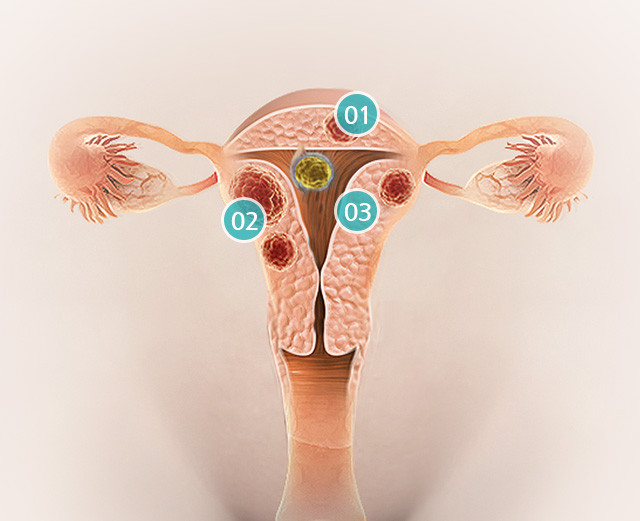
-
01
Intramural fibroid
Grows deep inside the muscle wall of the uterus. It enlarges the uterus and the area of the uterine lining, which makes periods heavier.
-
02
Subserosal fibroid
Grows just under the outer layer covering the uterus. It can hang down and form a stalk.
-
03
Submucosal fibroid
Causes many complications. Even a small one can cause bleeding. It has a higher risk of sarcomatous change, is prone to infection, pus formation and tissue death, and does not respond well to radiation.
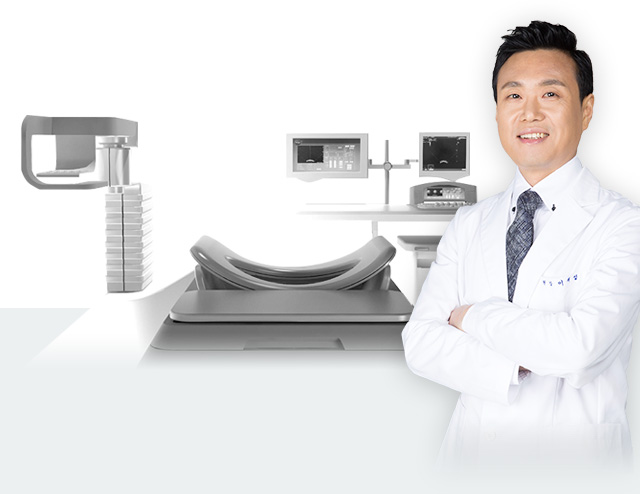
HIFU keeps the uterus instead of removing it and uses high-intensity ultrasound heat to destroy the tumor. Unlike open or laparoscopic surgery, you can return to daily life quickly after treatment.
It is popular with unmarried women diagnosed with benign fibroids, women planning pregnancy, and working women.
interface
The best treatment for humansMapping the path of the ultrasound energy for safe treatment. The key to HIFU is delivering focused ultrasound energy precisely to the lesion. Precise image analysis shows both where the lesion is and the path the ultrasound energy will take.
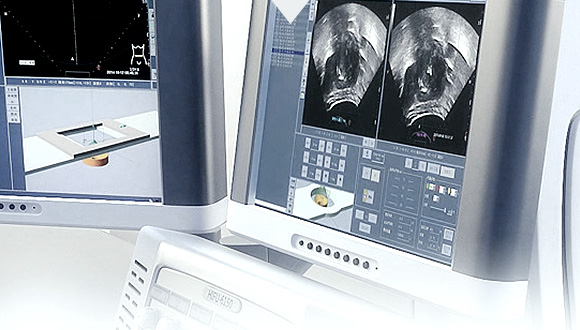
Advanced image fusion technology
Artificial Intelligence - Software SystemThe body is always moving. Accurate treatment requires tracking the lesion's position in real time as it moves. This is what makes treatment at Aegis Roen OB-GYN safer.
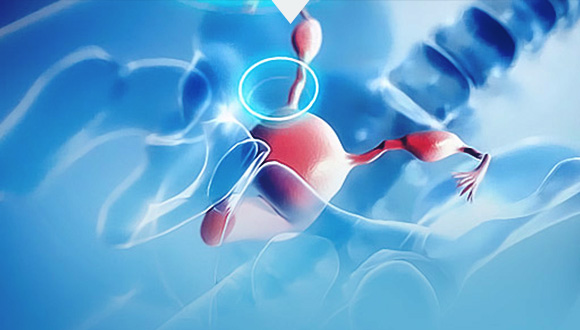
for safe treatment
Precise PositioningWe set the exact entry path of the high-intensity focused ultrasound energy to match the patient's body shape and the position and size of the uterus and tumor.
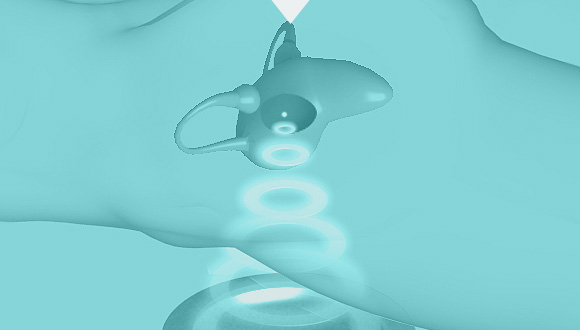
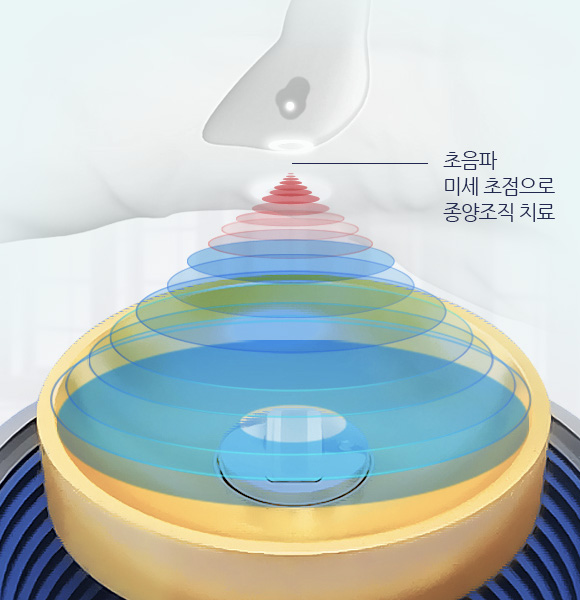
High Intensity Focused Ultrasoundhighly efficient, high-intensity ultrasound energy forms a precise focus for a powerful treatment effect
- The power of focused ultrasound treatment
- Shorter treatment time and thorough HIFU delivery
- Highly efficient, precisely focused treatment
- Over 90% of tumor tissue destroyed
- HIFU JC200D holds international technology patents

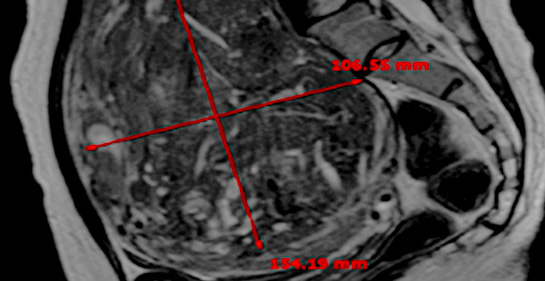
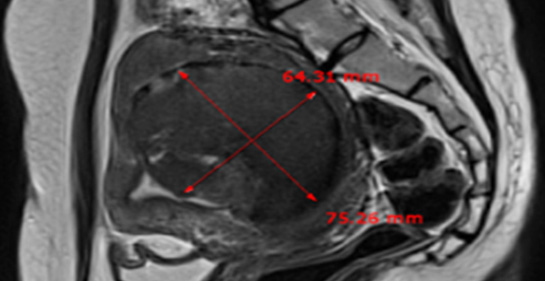
and successful treatment: we have the answer.

HIFU is an advanced treatment that focuses ultrasound from outside the body onto one point, like a magnifying glass, raising the temperature at the target to destroy fibroid cells. Unlike myomectomy or hysterectomy, its big advantages are no general anesthesia and no abdominal incision, and you can return to daily life soon after a 2–3 day hospital stay.
To make HIFU safer and more effective, the shape and location of the fibroid must be identified precisely with ultrasound and detailed MRI. This is what allows an accurate diagnosis and a good result.
-
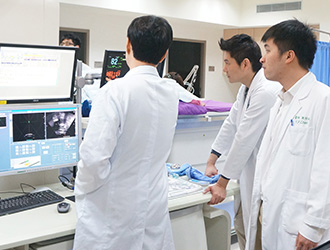 Expertise in difficult cases
Dr. Jae-Seong Lee, with more than 2,000
successful fibroid treatments -
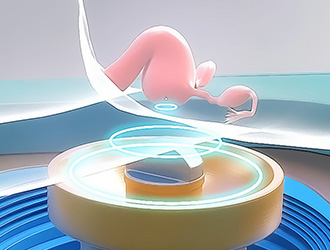 HIFU tailored to each type
HIFU treatmentHigh-intensity focused ultrasound, harmless to the body,
destroys the fibroid tissue -
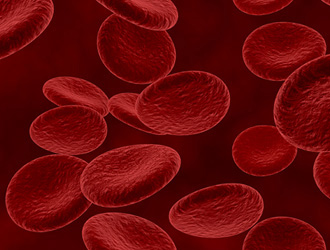 Stabilizing abnormal blood flow
HIFU is performed after stabilizing
abnormal blood flow in the fibroid
Future pregnancy and childbirth
may become impossible. If an unmarried woman's gynecologic ultrasound shows fibroids or another uterine condition, she should decide on treatment with a specialist. Treating it with surgery such as removal of the fibroid or the uterus can make future pregnancy and childbirth impossible.
-
Hysterectomy
Surgery that removes the whole uterus because the fibroid is large
-
Laparoscopic surgery
Surgery that removes the fibroid with instruments through small cuts instead of a large abdominal incision
-
Myomectomy
Surgery that removes the fibroid itself
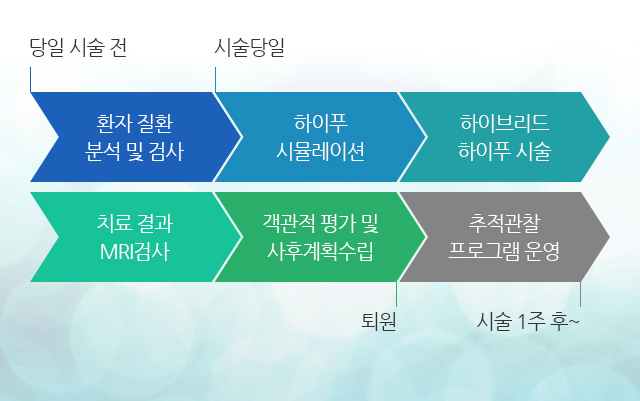
3STEP HIFU PROGRAM Since 2010, an MRI-integrated HIFU program at every step, dedicated to the safe treatment of fibroids and adenomyosis
MRI before treatment to check whether a lesion could become malignant and to look for hidden malignant lesions
Ultrasound and MRI monitoring during treatment
Results review and objective evaluation after HIFU
=
Non-surgical treatment system for fibroids ∙ adenomyosis
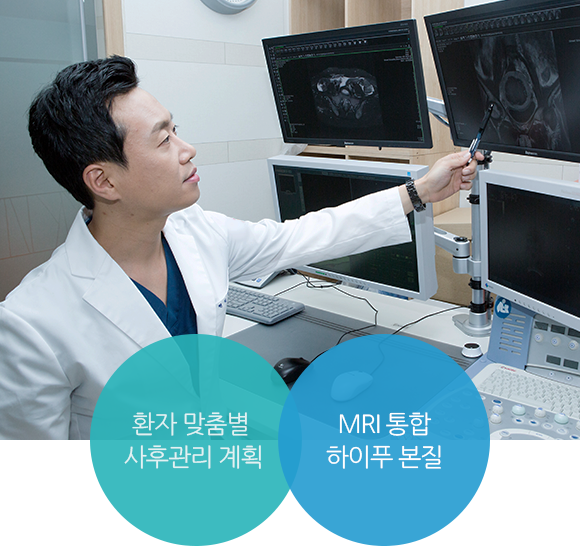
MRI is used to analyze the fibroid (location, number, size, shape, etc.), its blood supply, nearby organs and structures, and a clear path for the ultrasound. Detailed ultrasound then analyzes the number of fibroids to treat, the number of treatment slices, the volume of each slice, the treatment margin and the relationship between the fibroid and nearby organs.

Based on the MRI before treatment, we precisely identify the location, size and shape
of tumors such as fibroids or adenomyosis


and plan the treatment, including the ultrasound energy level
and entry path

Following the treatment plan, HIFU is guided by fused ultrasound/MRI
images and real-time ultrasound
-
Assessment and treatment
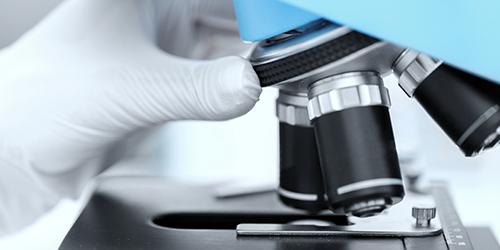
Before treatment, we check whether a lesion could become malignant and look for hidden malignant lesions.
-
Treatment review and aftercare plan
After treatment, we explain the results and review them objectively
and make an aftercare plan.
-
Regular check-up monitoring
We combine ultrasound and MRI images
to monitor your progress after treatment.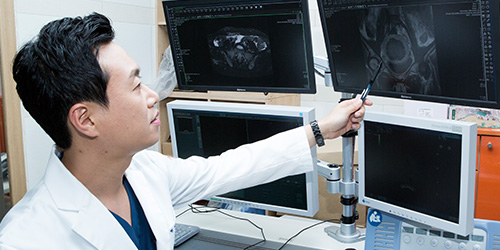
-
Follow-up care
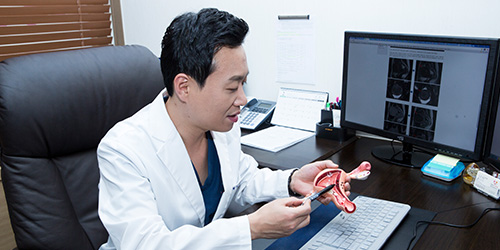
Based on the aftercare plan, we check at set intervals (from the day after treatment, then monthly, quarterly, every six months and yearly) how much the treated lesion has shrunk and whether there is a risk of recurrence.
-
Check-up scheduling
From before HIFU until your regular check-ups after discharge, we take care of every detail.

-
Dedicated 1:1 service
A dedicated coordinator at the clinic looks after
your follow-up visits and recovery.
Consultation menu
Family sites



Awards
Social media

(Seolleung Station Exit 6, Line 2 / Suin-Bundang Line) Tel: +82-2-542-0100 ┃ Business Registration No. 106-91-90905 Representative: Jae-Seong Lee