Early Treatment of Uterine Fibroids | Aegis Roen HIFU Center




Main menu

Section menu
Page title
you have a lifelong chance
to keep your uterus healthy.
Page content
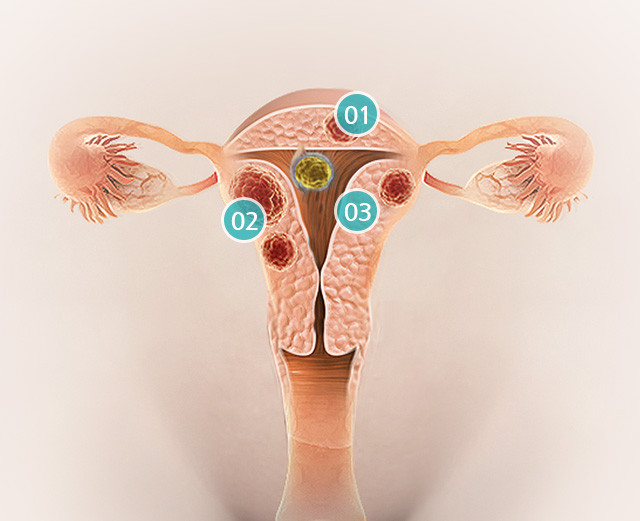
Uterine Fibroid A uterine fibroid is a benign tumor that grows in the smooth muscle
that makes up the uterine wall.
-
01
Intramural fibroid
Grows deep inside the muscle wall of the uterus. It enlarges the uterus and the area of the uterine lining, which makes periods heavier.
-
02
Subserosal fibroid
Grows just under the outer layer covering the uterus. It can hang down and form a stalk.
-
03
Submucosal fibroid
Causes many complications. Even a small one can cause bleeding. It has a higher risk of sarcomatous change, is prone to infection, pus formation and tissue death, and does not respond well to radiation.
Fibroids are very common and affect 40–50% of women over 35. They usually shrink after menopause and new fibroids rarely appear, but fibroids that persist may still be found after menopause.
up about 20% in the last 5 years

increasing in young unmarried women in their 20s? Statistics show that more young women in their 20s and 30s have uterine conditions such as fibroids, adenomyosis and endometriosis. Rates are rising fast in women in their 20s and 30s. Many are not aware of uterine disease, skip regular check-ups, and dismiss severe period pain or back pain as ordinary PMS, missing the right time for treatment.
| 20s | 30s | 40s | 50s | 60s |
|---|---|---|---|---|
| 9,090 women | 56,630 | 144,489 | 77,568 | 12,315 |
There are several possible explanations:
-
Genetics
If someone in your family has fibroids, your risk may be higher.
-
Female hormones
Persistently high levels of the female hormone estrogen are involved in fibroid growth and can lead to fibroids.
-
Irregular eating habits
A Western-style diet high in fat can raise estrogen levels in the body and may lead to fibroids.
-
Stress
A lot of stress
Periods can become irregular,
which can harm the health of the uterus.
but some women have sudden uterine bleeding, heavy periods, lower belly discomfort or bloating.
-
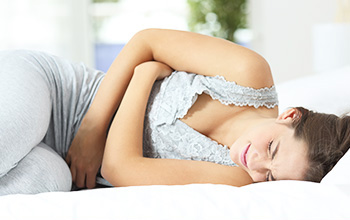 Pain
Pain
Severe period pain, pelvic pressure and pain,
nerves pressed by the enlarged uterus -
 Bleeding
Heavy periods, unexplained bleeding,
anemia from ongoing bleeding -
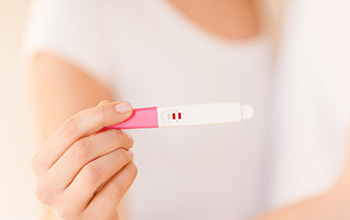 Infertility
Problems with implantation due to bleeding in the uterus, repeated early miscarriage
Future pregnancy and childbirth
may become impossible. If an unmarried woman's gynecologic ultrasound shows fibroids or another uterine condition, she should decide on treatment with a specialist. Treating it with surgery such as removal of the fibroid or the uterus can make future pregnancy and childbirth impossible.
Surgery that removes the whole uterus because the fibroid is large
Surgery that removes the fibroid with instruments through small cuts instead of a large abdominal incision
Surgery that removes the fibroid itself
early fibroid treatment
The Roen AI-assisted HIFU program preserves the uterus, is safer than surgery, keeps pregnancy and childbirth possible, and involves no incision or bleeding
Artificial Intelligence HIFU System
High-resolution MRI images and real-time ultrasound images are combined into a 3D view that tracks the uterus and tumor as they move with the patient's breathing and body movement, so that high-intensity focused ultrasound energy treats them safely.
Artificial Intelligence Check up System
For accurate diagnosis of tumors in the uterus, and to follow every possible change during recovery after HIFU, we run a specialized uterine check-up program for ongoing follow-up.
-
 Non-surgical HIFU to prevent major conditions and
restore normal uterine functionUnlike older HIFU devices, a high-intensity focused ultrasound treatment designed only for fibroids and adenomyosis
-
 Period problems, vaginitis and more
Early diagnosis and treatment of women's conditionsFor unmarried women, gynecologic check-ups and
early treatment are now a must! -
 Comprehensive women's check-up
Personal Woman Total check-up service
-
 Short, simple ∙ safe treatment
Short hospital stay; back to daily life the next day
-
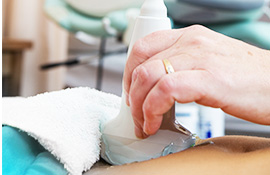 Basic ultrasound
Checks the ovaries, fallopian tubes, uterine lining, uterine body and more for any problems
-
 Cervical cancer screening
Checks for human papillomavirus (HPV) infection
-
 One session, quick discharge
Short hospital stay (1 night, 48 hours)
Back to daily life the next day
Key points
The Roen AI-assisted HIFU program preserves the uterus, is safer than surgery, keeps pregnancy and childbirth possible, and involves no incision or bleeding
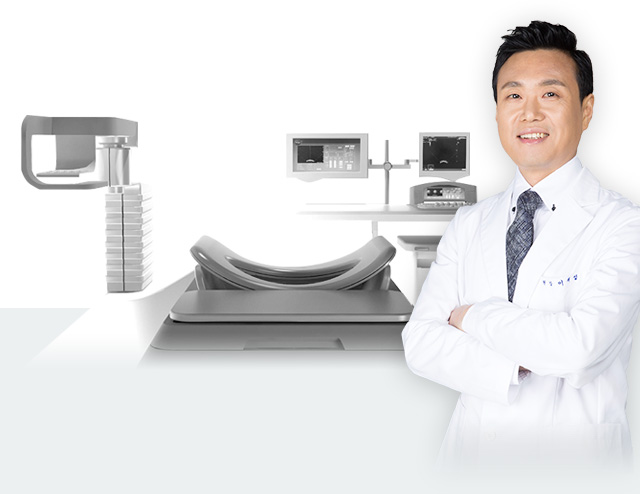
HIFU keeps the uterus instead of removing it and uses high-intensity ultrasound
heat to destroy the tumor.
Unlike open or laparoscopic surgery, you can return to daily life
quickly after treatment.
It is popular with unmarried women diagnosed with benign fibroids, women planning pregnancy
and childbirth, and working women.
-
 The power of focused ultrasound treatment
A treatment using high-intensity focused ultrasound energy
that is harmless to the body. -
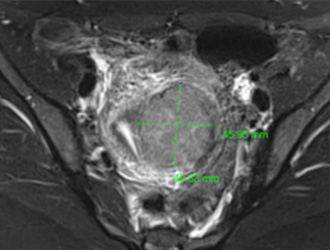 Highly efficient, precisely focused
treatmentPreserving the uterine lining and surrounding tissue, focused ultrasound precisely destroys the lesion.
-
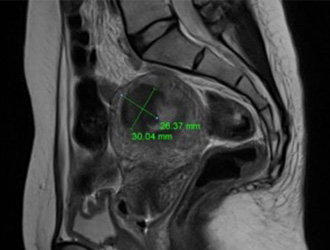 Preserves the endometrium; destroyed tissue is absorbed
Without incision or bleeding, only the fibroid tissue is precisely targeted and destroyed for a more complete treatment.
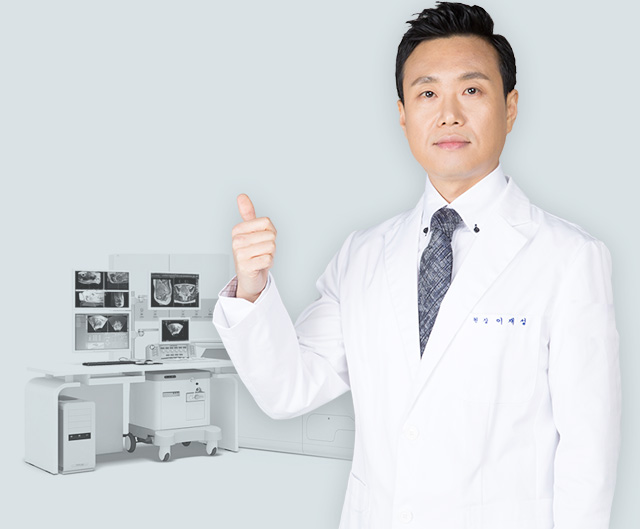
Real Story I first introduced HIFU for uterine fibroids ∙ adenomyosis to achieve successful treatment.
- Former Director, HIFU Center, Department of OB-GYN, Incheon Christian Hospital
- Former HIFU Advisor, Health Insurance Review & Assessment Service (Korea)
- Adjunct Professor, Department of OB-GYN, Inha University College of Medicine
- Adjunct Professor, Incheon St. Mary's Hospital, Catholic University of Korea
- Director, Aegis Roen OB-GYN Clinic
- (formerly Aegis Women's Clinic)
- Director, International HIFU Training Center
- Member, Korean Society of Obstetrics and Gynecology
- Member, Korean Society of Gynecologic Endocrinology
- Member, Korean Society of Gynecologic Endoscopy
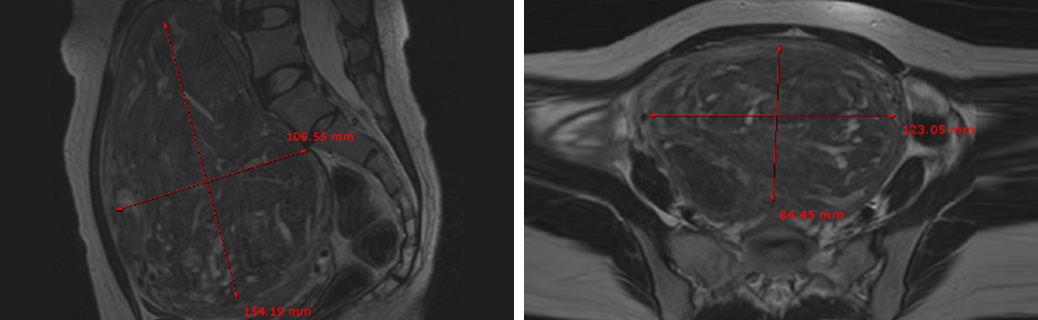
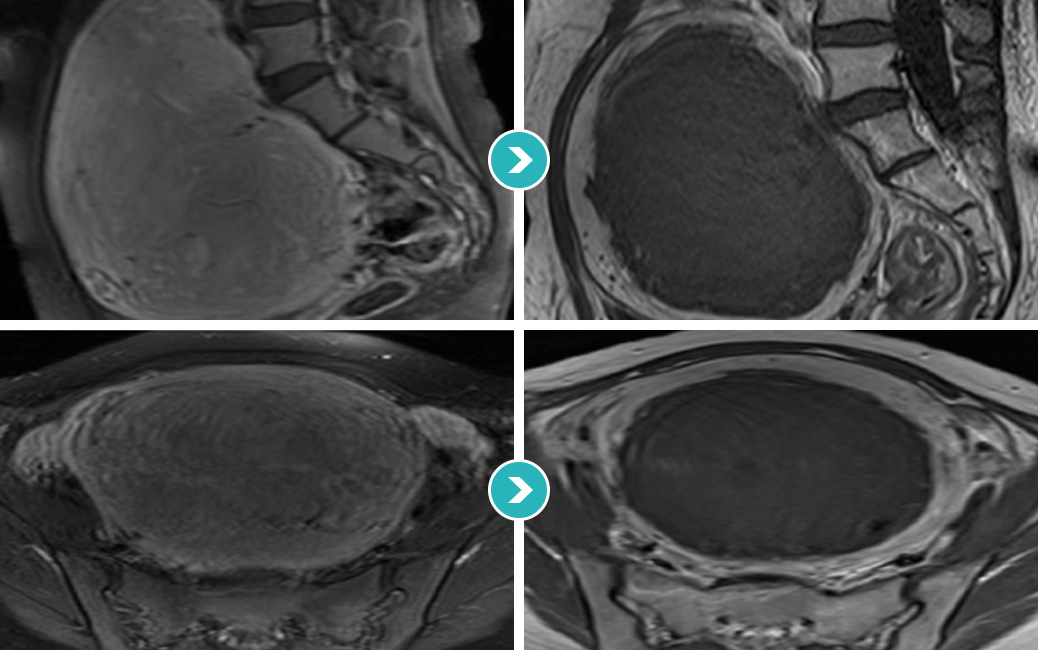
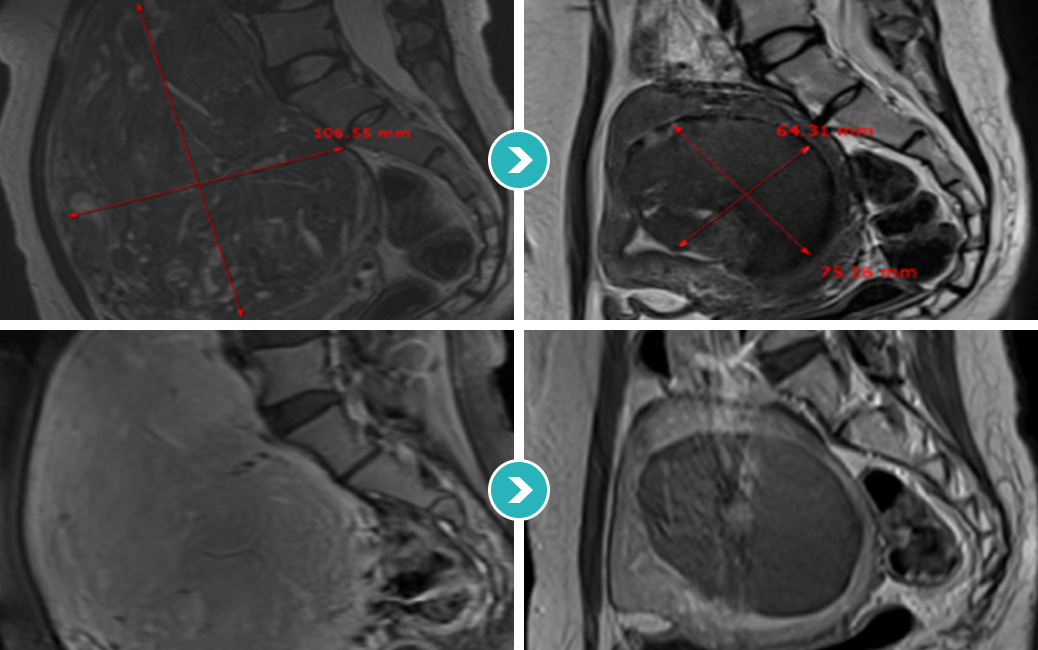
She came for HIFU because of vaginal bleeding, heavy periods and a giant fibroid she could feel in her belly.
MRI before HIFU showed a 14 cm giant fibroid with a rich blood supply pressing on the spine and abdominal wall. HIFU treats only the fibroid,
and the whole fibroid was treated with HIFU. Treating the 14 cm giant fibroid took 164 minutes.
(Uterine Myoma Hifu treatment time 164min)
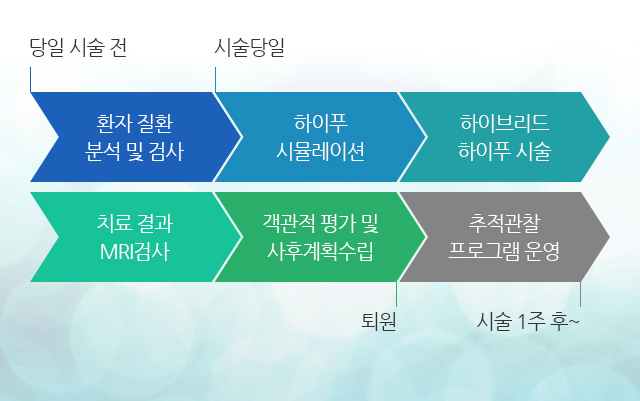
Follow-up Program Personalized aftercare plan = MRI-integrated HIFU at its core

-
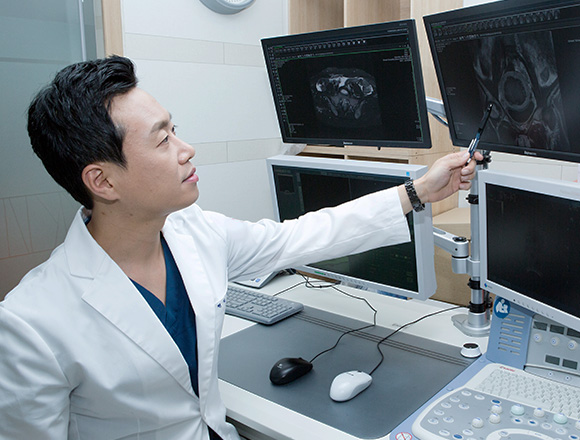
Assessment and treatment
Before treatment, we check whether a lesion could become malignant and look for hidden malignant lesions.
-
Treatment review and aftercare plan
After treatment, we explain the results and review them objectively
and make an aftercare plan.
-
Regular check-up monitoring
We combine ultrasound and MRI images
to monitor your progress after treatment.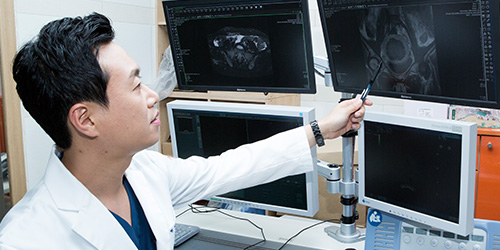
-
Follow-up care
Based on the aftercare plan, we check at set intervals (from the day after treatment, then monthly, quarterly, every six months and yearly) how much the treated lesion has shrunk and whether there is a risk of recurrence.
-
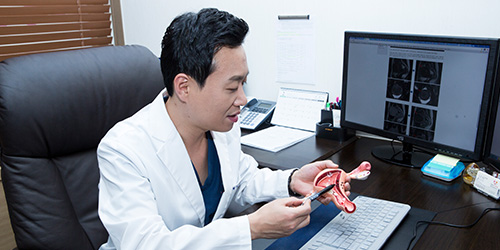
Check-up scheduling
From before HIFU until your regular check-ups after discharge, we take care of every detail.

-
Dedicated 1:1 service
A dedicated coordinator at the clinic looks after
your follow-up visits and recovery.
and treatment plan Knowing the patient's condition and the treatment plan before HIFU
eases worry and helps patients and families feel calm, which improves the treatment result.
Consultation menu
Family sites



Awards
Social media

(Seolleung Station Exit 6, Line 2 / Suin-Bundang Line) Tel: +82-2-542-0100 ┃ Business Registration No. 106-91-90905 Representative: Jae-Seong Lee