Gynecologic Check-up for Unmarried Women | Aegis Roen HIFU Center




Main menu

Section menu
Page title
Check-up for Unmarried Women
If a major condition such as fibroids is found in your 20s,
you have a lifelong chance
to keep your uterus healthy.
you have a lifelong chance
to keep your uterus healthy.
Page content
Having a women's check-up
every 6 months
is the way to protect your health We offer structured check-up programs, including check-ups for unmarried women, infection and STD screening, pre-marriage check-ups, and Roen Basic, which brings together the tests every woman needs.
every 6 months
is the way to protect your health We offer structured check-up programs, including check-ups for unmarried women, infection and STD screening, pre-marriage check-ups, and Roen Basic, which brings together the tests every woman needs.

Unmarried women: 3 essential check-ups
Common uterine conditions such as fibroids, adenomyosis and cervical cancer can be prevented if found early.
So the best prevention is regular check-ups. Even without symptoms, it is a good idea to see a gynecologist at least once a year for simple tests that check your uterine health.
So the best prevention is regular check-ups. Even without symptoms, it is a good idea to see a gynecologist at least once a year for simple tests that check your uterine health.
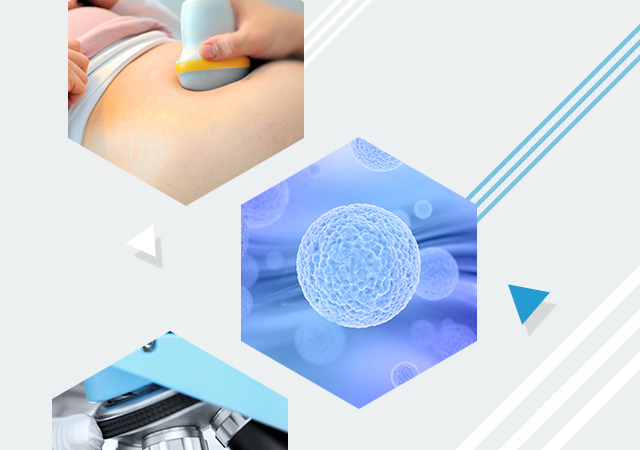
Ultra- sound
A basic test that checks the ovaries, fallopian tubes, uterine lining, uterine body
and more for any problems.
It takes less than 5 minutes, is painless and inexpensive, so it is the first imaging test we use.
and more for any problems.
It takes less than 5 minutes, is painless and inexpensive, so it is the first imaging test we use.
Cervical cancer sound
A painless test that takes less than a minute. A swab or
small brush gently collects cells from the cervix
to check for human papillomavirus (HPV) infection.
Even if you have had the HPV vaccine, if you are sexually active you should have a cervical cancer screening every 6 months to 1 year.
small brush gently collects cells from the cervix
to check for human papillomavirus (HPV) infection.
Even if you have had the HPV vaccine, if you are sexually active you should have a cervical cancer screening every 6 months to 1 year.
Vaginitis sound
Vaginitis is so common it is called the 'common cold of the uterus'. This test checks for the bacteria and other germs that cause it: a swab collects vaginal discharge, which is examined under a microscope. If vaginitis is not treated properly, bacteria can spread to the cervix, fallopian tubes and nearby areas, causing inflammation and pain, so this is one of the most important tests in a gynecologic check-up.
Unmarried women: 3 essential check-ups
Common uterine conditions such as fibroids, adenomyosis and cervical cancer can be prevented if found early.
So the best prevention is regular check-ups. Even without symptoms, it is a good idea to see a gynecologist at least once a year for simple tests that check your uterine health.
So the best prevention is regular check-ups. Even without symptoms, it is a good idea to see a gynecologist at least once a year for simple tests that check your uterine health.
Bacterial (Haemophilus and other bacteria)
Bacterial vaginosis happens when the normal bacteria in the vagina decrease for some reason and anaerobic bacteria, which normally make up less than 1%, multiply. It typically causes discharge with a fishy smell. The smell is stronger after sex, because of substances called amines made by the anaerobic bacteria. Even without a smell, if you have more discharge than usual, see a gynecologist right away for diagnosis and treatment.

Parasitic (Trichomonas vaginitis)
Trichomonas is a parasite that causes frothy discharge, a fishy smell, stinging and frequent painful urination. It is a highly contagious STD, so both partners need treatment.
Inflammatory vaginitis
In inflammatory vaginitis, inflamed cells shed heavily and cause a lot of pus-like discharge. Symptoms include burning in the vagina and vulva, pain during sex and more discharge than usual.
Comprehensive check-up for unmarried women program
Roen HIFU's comprehensive check-up for unmarried women combines gynecologic and general medical tests for teens through adults:
a personal Woman Total check-up service.
Roen Ⅱ (basic check-up for unmarried women)
- · Liquid-based cervical cytology (Cell prep)
- · Cervicography
- · Ultrasonography
- · Vaginal discharge stain (Gram stain)
- · Anemia test (CBC c diff)
- · Urinalysis, 10 items (U/A c micro)
- · Kidney function (BUN/Cr)
- · HIV antibody test (HIV Ab)
- · Syphilis test (RPR)
- · Blood type (ABO & Rh)
- · Liver function, 2 items (AST/ALT)
- · Hepatitis B antigen/antibody (HBs Ag/Ab)
- · Hepatitis C antibody (HCV Ab)
Roen Ⅲ (comprehensive check-up for unmarried women)
- · Liquid-based cervical cytology (Thin prep)
- · Cervicography
- · Ultrasonography
- · Vaginal discharge stain (Gram stain)
- · Anemia test (CBC)
- · Urinalysis, 10 items (U/A c micro)
- · Liver function, 8 items (AST, ALT, T-bil, D-bil, r-GPT, ALP, T-protein, Albumin)
- · HIV antibody test (HIV Ab)
- · Kidney function (BUN/Cr)
- · Syphilis test (RPR)
- · Blood type (ABO & Rh)
- · Hepatitis A antibody (HAV IgG)
- · Hepatitis B antigen/antibody (HBs Ag/Ab)
- · Hepatitis C antibody (HCV Ab)
- · Total Cholesterol
- · LDL Cholesterol
- · Triglyceride
- · HDL Cholesterol
- · Gardnerella (Gardnerella Vaginalis)
- · Gonorrhea (Neisseria Gonorrhoeae)
- · Chlamydia (Chlamydia Trachomatis)
- · Ureaplasma (Ureaplasma Urealyticum)
- · Mycoplasma Genitalium
- · Trichomonas (Trichomonas Vaginalis)
- · Candida (Candida Albicans)
- · Mycoplasma Hominis
- · Herpes type 1 (Herpes Simplex Virus 1)
- · Herpes type 2 (Herpes Simplex Virus 2)
- · Syphilis (Treponema pallidum)
- · Ureaplasma Parvum
- · Vitamin D test
- · Human papillomavirus test (HPV)
Detailed women's check-up program
A women's check-up for early detection and treatment of gynecologic cancers (cervical, ovarian, breast cancer, etc.) and other conditions such as fibroids and vaginitis
| Item | Description |
|---|---|
| Basic physical exam | Consultation with the doctor about symptoms and habits; body measurements, obesity level and blood pressure |
| Urine test | Urine is waste filtered from the blood by the kidneys and contains many by-products of metabolism. A urine test shows problems in the urinary tract as well as information about hormone and metabolic diseases. It is a simple, painless test with quick results that gives clues to many diseases. |
| Blood test | Blood carries oxygen, nutrients and hormones to every organ, defends against infection and removes toxins and waste, so changes in the body show up in the blood. Various blood components are tested to assess disease and treatment effects: liver function / hepatitis (hepatitis B antibody (HBs Ag, Anti-HBs), hepatitis C antibody (HCV Ab (EIA))) / lipids / diabetes / thyroid function / pancreas function / kidney function / tumor markers (liver, colon, prostate, ovarian cancer) / rheumatoid inflammation / gout / complete blood count / infectious diseases |
| Body composition | Checks body development and obesity by measuring weight, body fat, body water and muscle relative to height, with advice on how to manage them. |
| Hearing test | Measures how sensitive your hearing is. |
| Eye exam |
Fundus exam: an ophthalmoscope is used to look at the retinal blood vessels, optic disc, macula and other structures, helping to diagnose eye disease, refractive problems, systemic disease and conditions inside the skull. Eye pressure test: a puff of air measures the pressure in the eye indirectly. It is essential for diagnosing eye shrinkage, retinal detachment, eye perforation, eye disease and acute glaucoma. |
| ECG | Checks for irregular heartbeat, enlarged heart chambers, reduced blood flow to the heart and heart attack, heart disease, systemic diseases affecting the heart, the effect of heart medicines, electrolyte problems (especially calcium and potassium) and pacemaker function. |
| Lung function test | Measures how the lungs work by recording breathing in and out, using normal breathing or breathing in as deeply as possible and then out as hard and fast as possible. |
| Chest X-ray | Diagnoses pneumonia, tuberculosis, lung abscess, lung cancer, lung bleeding and pneumoconiosis, and can also show emphysema, lung cysts and collapsed lung. It also shows rib problems and, through heart enlargement, heart valve disease, congenital heart disease and high blood pressure. |
| Arteriosclerosis test | Arteriosclerosis is a form of aging in which fat, cholesterol and triglycerides build up in the blood vessels, narrowing them and making them less flexible. We analyze risk factors and test early to help prevent arteriosclerosis and the heart and blood vessel diseases it can cause. |
| Abdominal ultrasound | A painless ultrasound test that shows cross-sections of internal organs from many angles. It examines the liver, kidneys, gallbladder, pancreas and spleen to diagnose liver cancer, gallbladder cancer, gallstones, pancreatic cancer, kidney stones, kidney cancer and more. |
| Stomach test (choose 1) |
Upper GI X-ray: you drink a contrast liquid that X-rays cannot pass through, which coats or fills the stomach so that defects, polyps, inflammation and stomach tumors can be seen. It is used for people who prefer not to have an endoscopy and for workplace screenings. If a problem is found, an endoscopy is recommended to confirm and treat it. Do not eat after dinner the day before, and drink plenty of water after the test to flush out the contrast liquid. Gastroscopy: an endoscope is passed through the mouth to look at the esophagus, stomach and duodenum. If something abnormal is found, a tissue sample can be taken for diagnosis. |
| Bone density test | Normal bone density values depend on the test method, age and sex. Measuring bone mass helps detect osteoporosis or bone loss early so it can be prevented. |
| Breast cancer screening | Images are taken from top to bottom and side to side, which helps find breast tumors and cysts. Mammography is very important for spotting signs of cancer such as asymmetric shadows and calcification. Dense breasts need an additional ultrasound. |
| Dental check | Checks for gum disease, tooth decay and missing teeth. |
| Thyroid ultrasound | Thyroid ultrasound shows the shape and size of the thyroid and the nature of any nodules. It can tell whether a nodule is solid or a cyst, and is useful for tracking changes in nodule size after treatment. |
| Breast ultrasound | An ultrasound that looks at breast tissue. It complements mammography and can find small lumps or tumors hidden in dense breast tissue and show their size and location. |
| Pelvic (uterine) ultrasound | A uterine ultrasound checks the thickness of the uterine lining, fibroids or adenomyosis, ovarian cysts, ovarian cancer and the condition of the ovaries. |
| Liquid-based cervical cytology | Cells from the cervix are collected with a swab, then separated and purified for examination under a microscope. It is a basic, simple and painless test that can detect cervical cancer from early to late stages, so it is widely used. |
| Human papillomavirus (HPV) | Human papillomavirus (HPV) causes warts and skin growths on the skin and mucous membranes. It is divided into high-risk types that are likely to cause cervical cancer and low-risk types. If high-risk HPV is found in the cervix, the risk of cervical cancer is higher. In some women the virus causes no symptoms and stays for a long time before turning cervical cells into cancer cells, so regular check-ups are essential. The test is very simple: cervical cells are collected to check for infection. |
Individual tests
- - Breast ultrasonography: high-resolution ultrasound to diagnose breast disease / breast cancer, benign tumors, cysts, fibroadenomas
- - Breast cancer screening: Mammography: breast X-ray to diagnose breast cancer / breast cancer and other breast conditions
· Complications such as bleeding, infection, and inflammation may occur after surgery or the procedure.
Furthermore, subjective satisfaction levels may vary among individuals. Therefore, please consult with a specialist.
24-hour phone line
+82-2-542-0100
Weekdays10 a.m. – 9 p.m.
Saturday10 a.m. – 6 p.m.